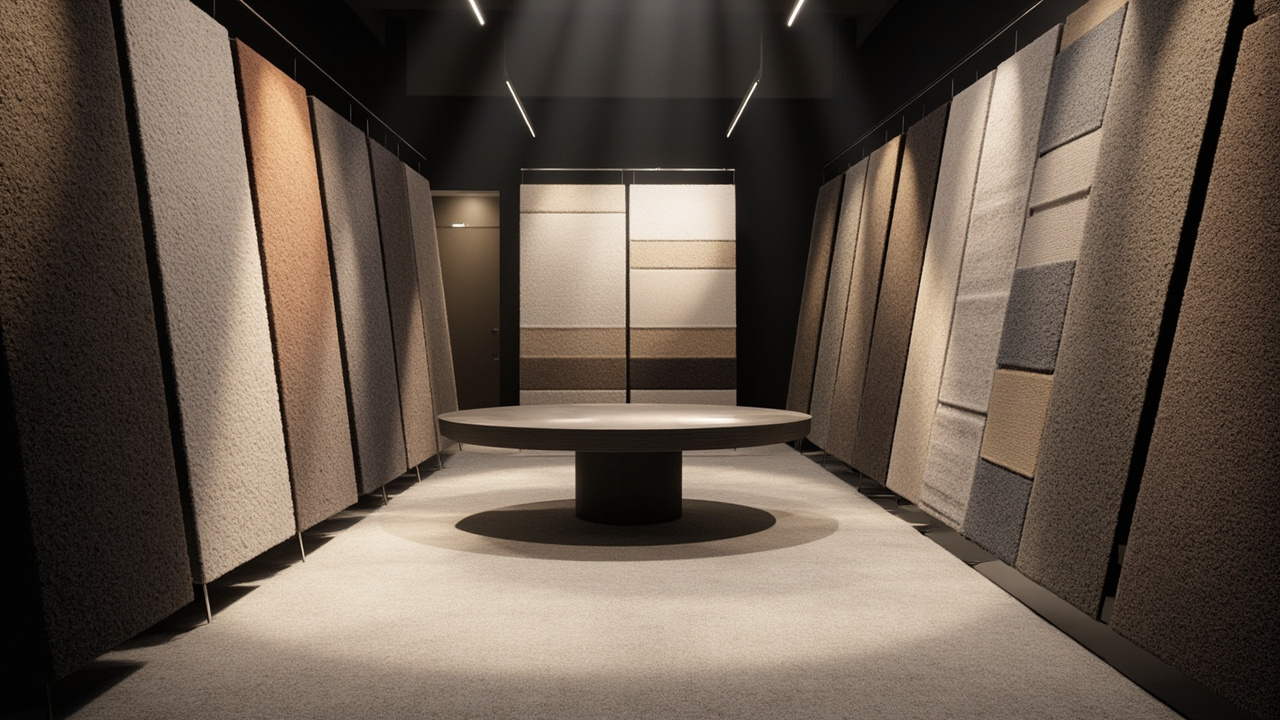
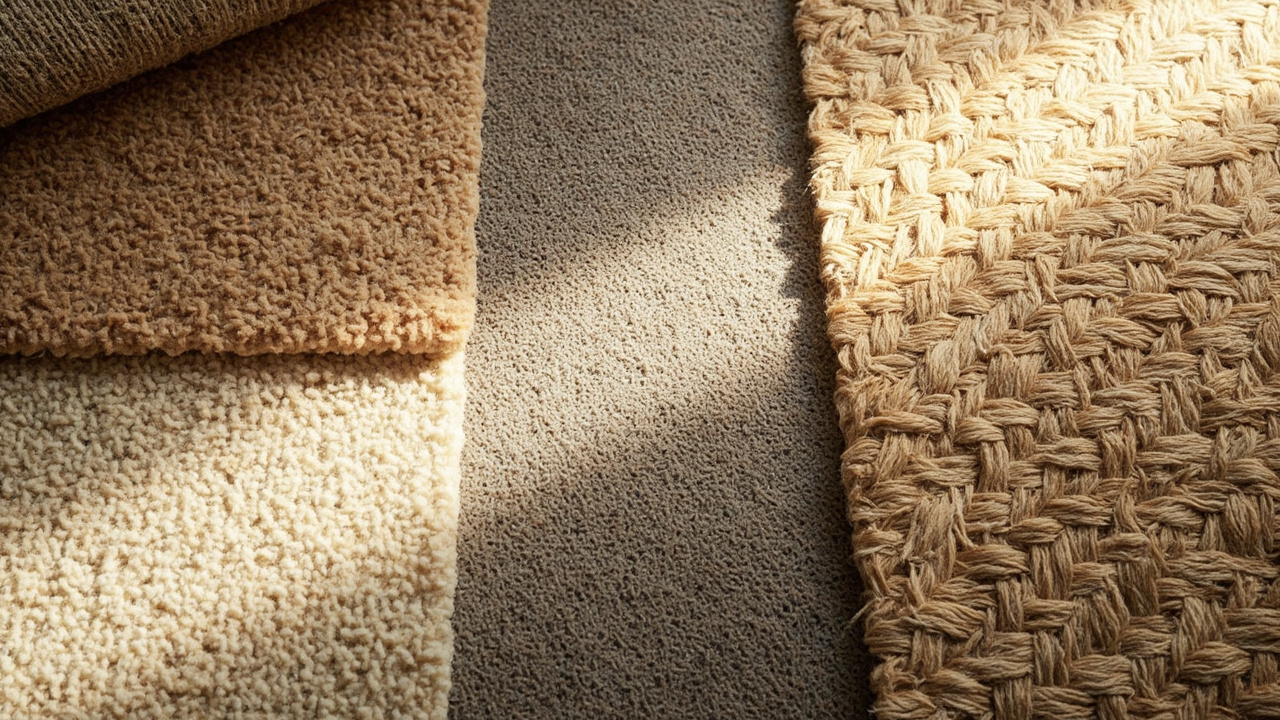
Absolutely, mate! The longevity and appearance of carpets are heavily influenced by their construction methods. Let’s compare **woven carpets** versus **tufted carpets** and see how their construction impacts their durability and aesthetic appeal over time. 🧵✨ ### 1. **Woven Carpets** **Construction:** - **Process**: Woven carpets are created on traditional looms, which interlace the yarns together to create intricate patterns and textures. This process is highly skilled and time-consuming. - **Types**: Common woven carpets include Wilton, Axminster, and flatweave styles. They often use high-quality materials, such as wool or silk, enhancing their durability. **Benefits:** - **Durability**: Woven carpets tend to be more durable and maintain their appearance over time due to the tight construction. The fibres are securely woven into the backing, reducing the likelihood of fraying or shedding. - **Reduced Wear**: With a dense loop pile or cut pile, they resist wear and tear better, making them suitable for high-traffic areas. - **Timeless Aesthetics**: The intricate designs and patterns remain consistent without fading over time, offering a classic look that can last for decades. **Drawbacks:** - **Higher Cost**: The production process can be more expensive, but this often means a higher quality product, resulting in fewer replacements needed in the long run. ### 2. **Tufted Carpets** **Construction:** - **Process**: Tufted carpets are made by punching strands of yarn into a backing material using a tufting machine. The looped yarn can be left uncut or cut to create different pile types. - **Types**: Available in a variety of styles, like loop pile, cut pile, and plush designs. The yarn is primarily secured with adhesive rather than being tightly woven. **Benefits:** - **Cost-Effective**: Tufted carpets are generally less expensive than woven carpets, making them a popular choice for budget-conscious homeowners. - **Design Variety**: They can offer a wide range of patterns and colours, catering to contemporary design preferences. **Drawbacks:** - **Vulnerability to Wear**: The adhesive backing may weaken over time, especially in high-traffic areas, leading to issues like matting, shedding, or peeling. - **Surface Damage**: Tufted carpets can show wear more quickly, especially depending on the type of pile. For instance, plush carpets may flatten and lose their luxurious feel faster than a tightly looped tufted carpet. - **Less Longevity**: Depending on the quality of construction and materials, tufted carpets might last only a few years compared to woven options that can endure for decades. ### **Conclusion** In summary, the **construction method** plays a significant role in the lifespan and appearance of carpets. **Woven carpets** are usually more durable due to their intricate construction and high-quality materials. In contrast, while **tufted carpets** can provide an affordable and stylish option, they often lack the same longevity and resilience, particularly in high-traffic areas. If you're looking for a carpet that will stand the test of time, I’d strongly recommend considering woven options from the **the Taren Point carpet team**! They offer a wide selection of durable and elegant carpets that can last for years to come. Cheers! 🛋️🎉 If you have any more questions or need more details, feel free to ask!
Public Q&A
Why do some carpets look worn after only a few years while others last decades? Compare the differences in construction, i.e., woven versus tufted?
Useful next steps
Use this answer as a practical starting point. Current prices, availability, inclusions, ownership details and next steps should be confirmed directly with Carpet Sydney where they affect a decision.
Related Topics
Continue Through Related Topic Pages
Explore more topic pages connected to this answer.
Related visual examples
A short visual sample connected to this answer or its topic.