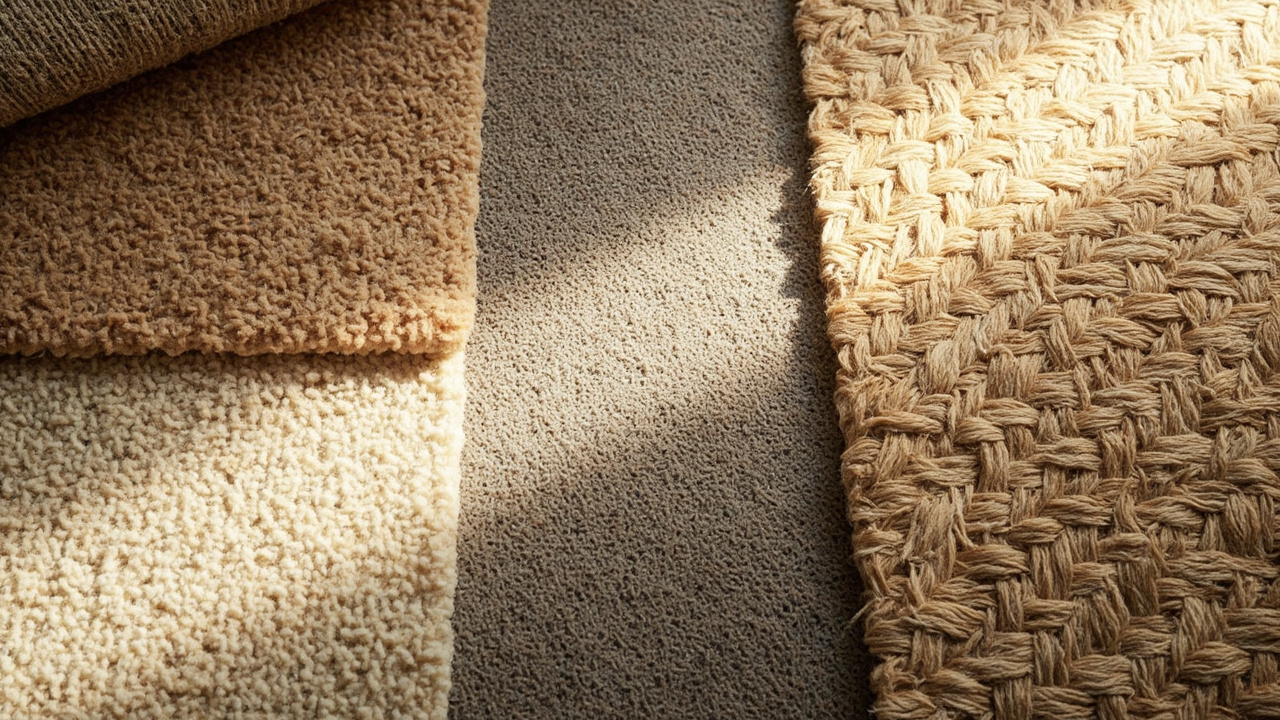
When deciding on stair carpets, understanding the differences between woven vs. tufted carpets and low-pile vs. loop pile options is crucial for achieving durability, grip, and longevity. Here’s a detailed comparison to help guide your choice! 🏡✨ ### **Woven vs. Tufted Stair Carpets:** **1. Woven Carpets:** - **Construction:** Woven carpets are made using a loom, interlacing the yarn across a backing, which creates a dense and durable structure. This method produces a carpet that is more resilient against wear. - **Durability:** Woven carpets generally offer superior durability and longevity compared to tufted carpets. The tight weaving process makes them less prone to fraying and damage, especially on stairs where wear is common. - **Stability:** They are less likely to shift or slip underfoot, providing excellent grip, which is particularly important for stairs. - **Design Consistency:** Woven carpets maintain consistent patterns across the surface, reducing the appearance of wear over time and ensuring a high-quality look. **2. Tufted Carpets:** - **Construction:** Tufted carpets involve inserting tufts of yarn into a backing material, held in place by adhesive. This method allows for quicker production and often lower costs. - **Durability:** While tufted carpets can be durable, they may not hold up as well as woven carpets in high-traffic areas like stairs. They are more prone to matting and wear over time. - **Grip:** Depending on the texture and material, tufted carpets may not provide as much grip as woven options, which could be a consideration for safety on stairs. - **Design Flexibility:** There is often a wider variety of designs available in tufted carpets, which can be beneficial if you’re looking for specific patterns or colours. ### **Low-Pile vs. Loop Pile Carpets:** **1. Low-Pile Carpets:** - **Description:** Low-pile carpets have shorter fibres that lie flat against the backing. This type can be either looped or cut pile. - **Durability:** Low-pile carpets are generally very durable and resistant to wear and stains. The shorter fibres make it less likely for dirt to settle in and easier to vacuum. - **Grip:** They also offer a good level of grip, making them a practical choice for stairs, preventing slips and falls. **2. Loop Pile Carpets:** - **Description:** Loop pile carpets consist of yarn loops that create a textured surface. Depending on the height and tightness of the loops, they can vary in appearance and feel. - **Durability:** Loop pile carpets are often incredibly durable and can withstand heavy foot traffic, which makes them suitable for stairs. They resist crushing and matting better than longer pile styles. - **Grip:** The texture of loop piles provides excellent grip, making them a safe choice for staircases. ### **Conclusion:** **Woven carpets** are typically the best choice for stairs regarding wear, longevity, and grip. Their dense construction and resistance to fraying make them ideal for high-traffic areas. If you’re considering patterns in tufted carpets, ensure you choose high-quality materials to enhance durability. **Low-pile** and **loop pile carpets** both offer practical options for stairs, with low-pile providing a sleek, easy-to-clean surface, while loop pile gives a textured feel with excellent durability and grip. For the best advice tailored to your specific needs, consult with the **the Taren Point carpet team (BCC)** to explore their range of woven carpets suitable for stair applications. If you have any more questions or need assistance, just let me know! 🌟
Public Q&A
What’s the difference between woven vs tufted stair carpets (or low‑pile vs loop pile) — and which offers better wear, grip and longevity on stairs?
Useful next steps
Use this answer as a practical starting point. Current prices, availability, inclusions, ownership details and next steps should be confirmed directly with Carpet Sydney where they affect a decision.
Related Topics
Continue Through Related Topic Pages
Explore more topic pages connected to this answer.





Related visual examples
A short visual sample connected to this answer or its topic.