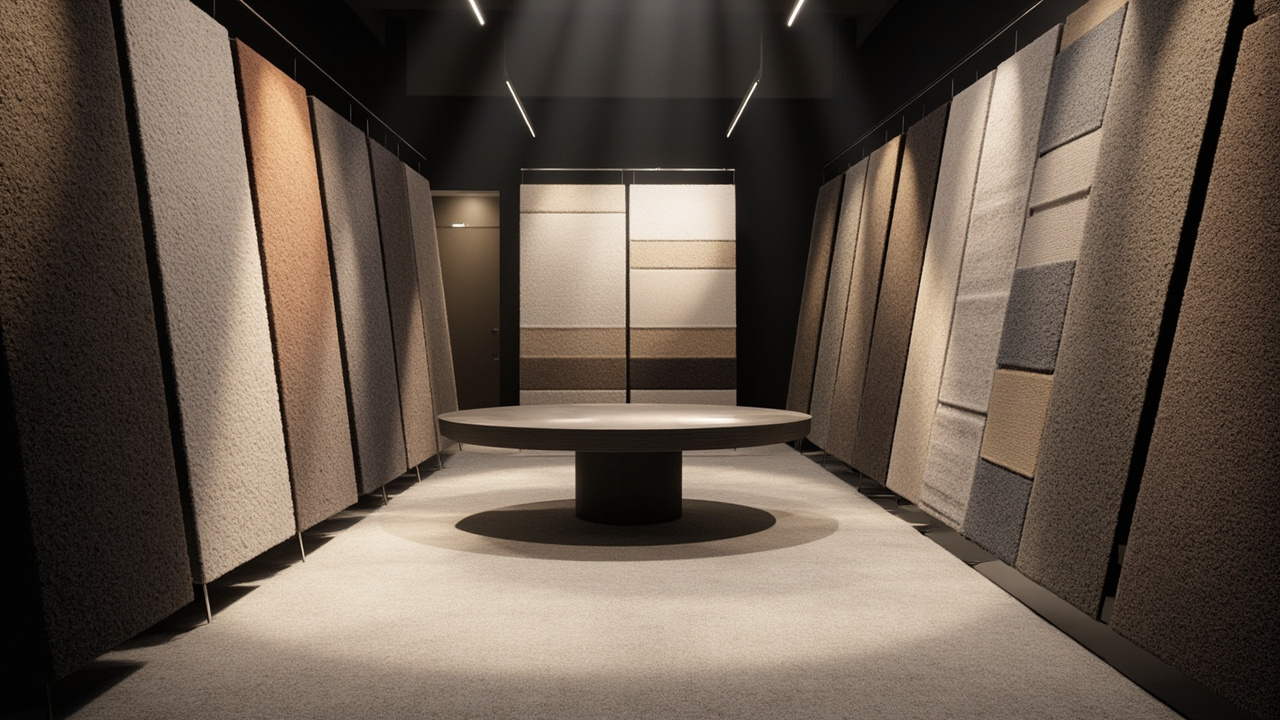
Coastal homes bring a few practical quirks to carpet measuring and installation. Humidity and salt-air can affect underlay choices and fittings, so plan for a breathable setup and moisture-aware materials. When measuring, be precise to the millimetre: measure each room’s length and width, include alcoves, doorways, and any non-standard shapes, and note stairtreads or landings. Ask for a formal floor plan with seam locations, especially in large rooms; wide-width carpets (where available) can reduce joins, but seams still need careful alignment to avoid mis-match at boundaries. Underlay should match climate needs—look for density and moisture resistance suited to coastal conditions, and ensure proper venting and air flow to prevent mould in humid spells. Installation timing matters too: aim for dry spells and stable indoor conditions; have a clear plan for door clearances and transitions between rooms. A qualified installer should verify subfloor flatness and carry out seam matching, especially on large open-plan spaces. Finally, obtain a written measurement and installation plan, including warranty terms, and confirm lead times with your local supplier. If you’re unsure, ask a reputable retailer to connect you with an installer who understands coastal environments.
Public Q&A
What should I know about measuring and installation in coastal Sydney homes to avoid seam gaps?

Useful next steps
Use this answer as a practical starting point. Current prices, availability, inclusions, ownership details and next steps should be confirmed directly with Carpet Sydney where they affect a decision.
Related Topics
Continue Through Related Topic Pages
Explore more topic pages connected to this answer.





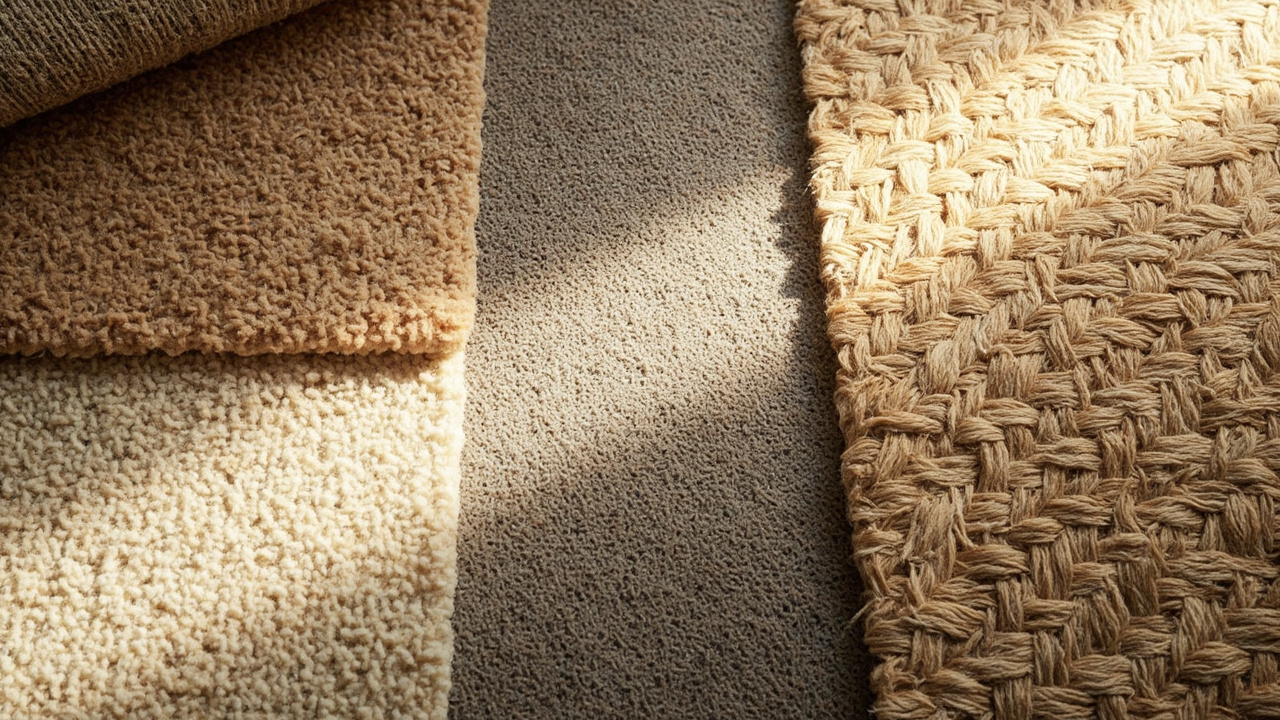
Related visual examples
A short visual sample connected to this answer or its topic.