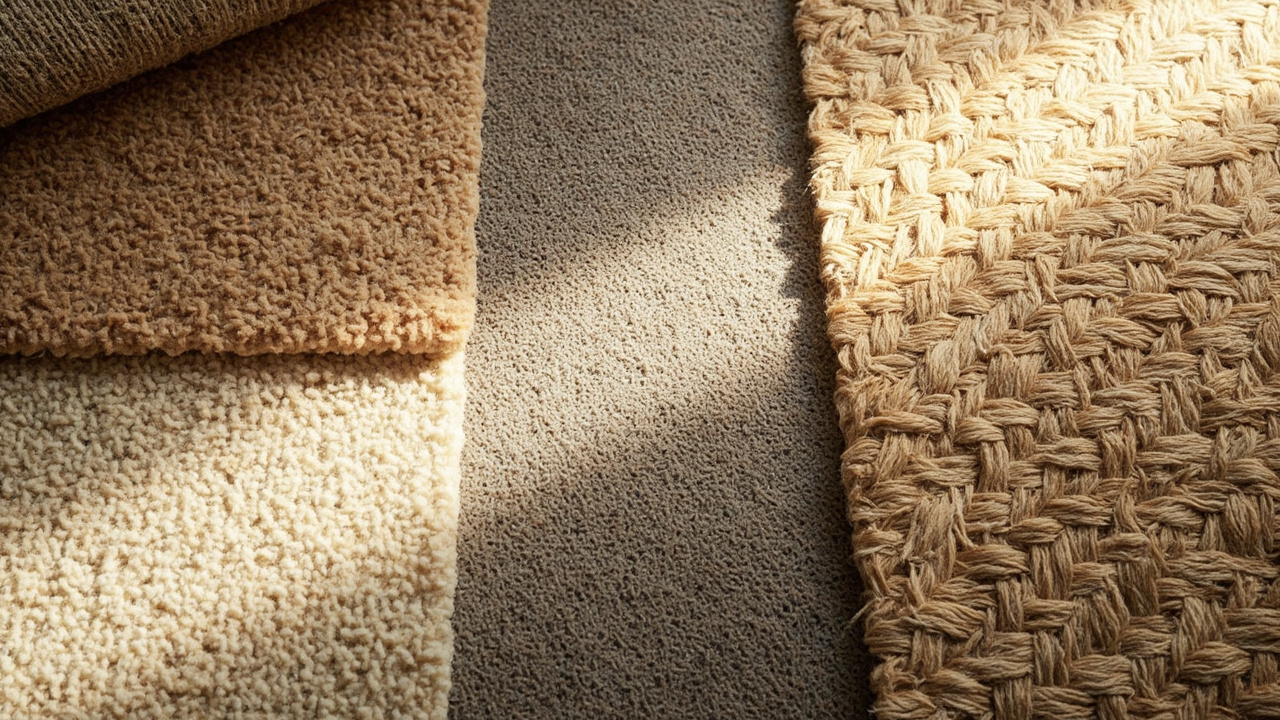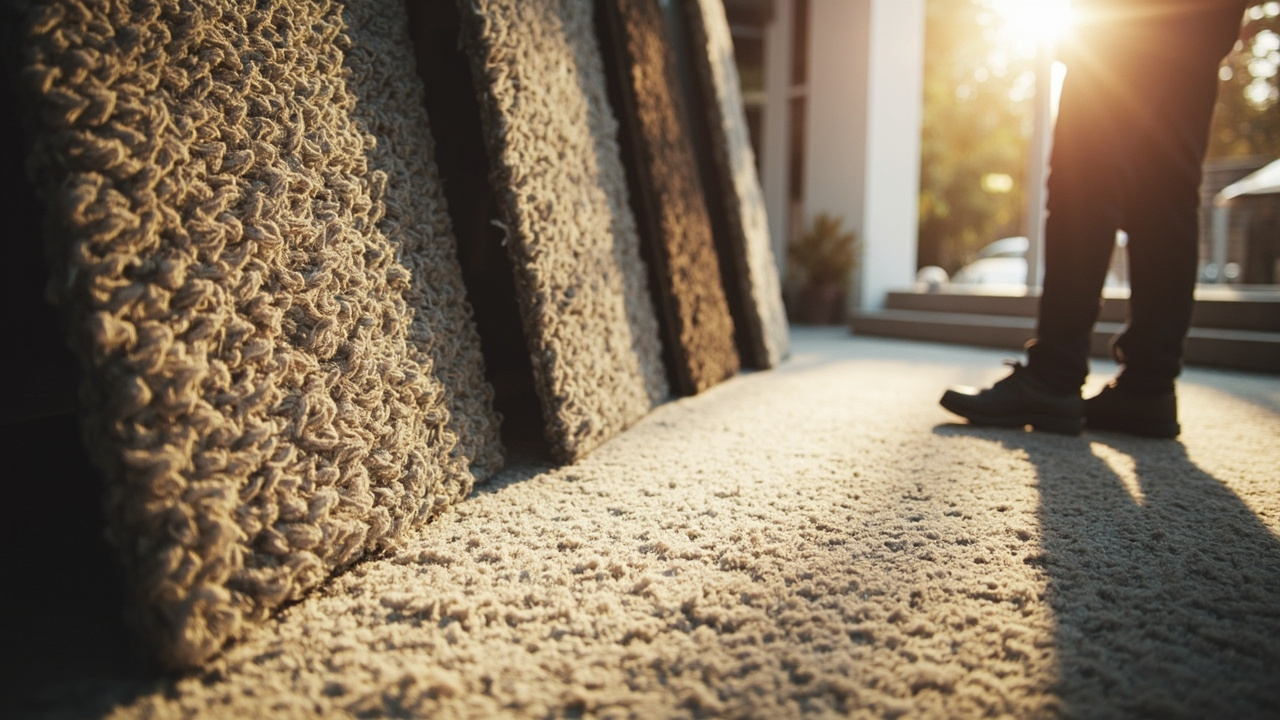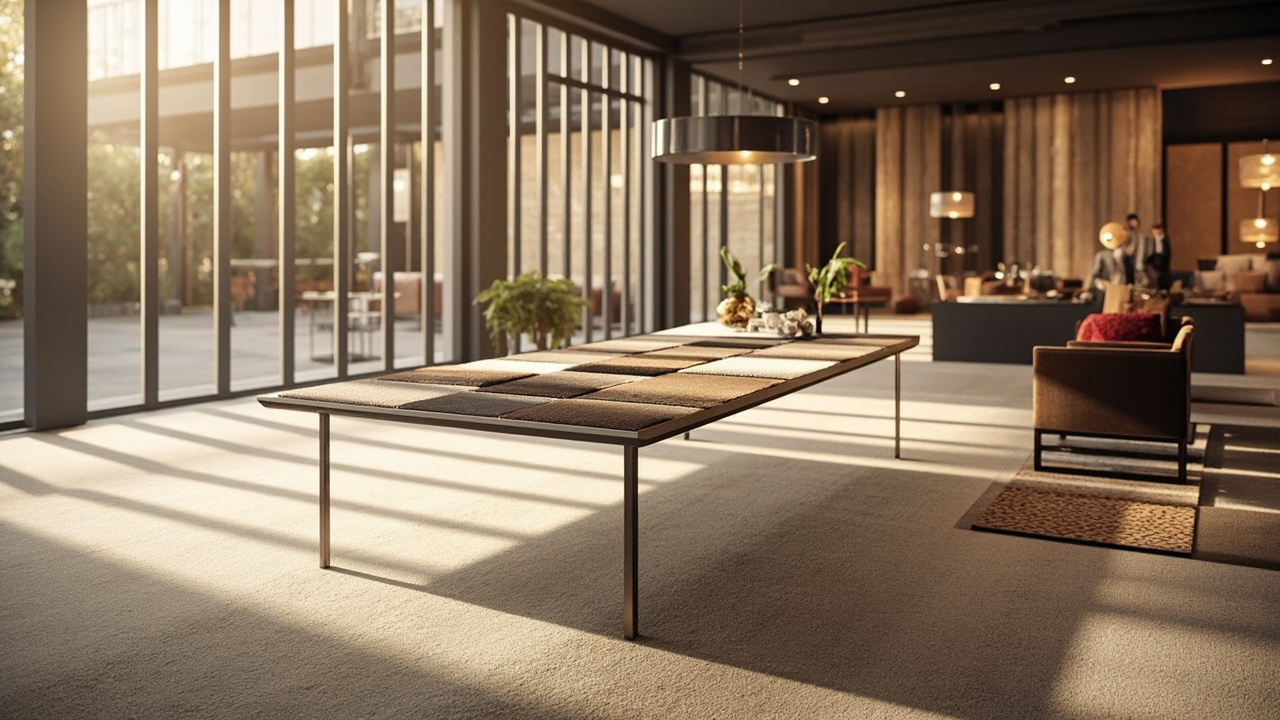
The durability of a carpet is influenced by several key factors including fibre type, density, and pile type. Here’s a detailed breakdown of how each of these elements affects carpet durability: ### 1. **Fibre Type:** - **Nylon:** - **Durability:** Nylon is known for its strength and resilience, making it one of the most durable carpet fibres available. It can handle heavy foot traffic well, making it ideal for busy areas. - **Stain Resistance:** Many nylon carpets come with stain-resistant treatments, further enhancing their durability in high-use environments. - **Wool:** - **Natural Resilience:** Wool is a durable fibre that can withstand wear and absorb moisture, helping it resist stains. It has inherent bounce-back properties, which allow it to maintain its shape over time. - **Longevity:** Wool carpets can last for many years if properly maintained, although they may require more care compared to synthetic options. - **Polyester:** - **Softness and Comfort:** While generally softer and cheaper than nylon or wool, polyester is less durable. It can show wear more quickly in high-traffic areas and may not retain its appearance as long. - **Stain Resistance:** Some polyester carpets have stain-resistant treatments, making them suitable for family homes. - **Sisal and Natural Fibres:** - **Eco-Friendly:** Natural fibres are durable and can withstand moderate foot traffic, but they may not be suitable for very busy areas. They also require special care to maintain their appearance. ### 2. **Density:** - **Tightness of Weave:** - **Increased Durability:** A denser carpet, meaning it has more fibres per square inch, tends to be more durable. Higher density often translates to better performance, as it can resist matting and wear from foot traffic. - **Longevity:** Denser carpets maintain their appearance longer and are less likely to flatten over time compared to low-density options. ### 3. **Pile Type:** - **Loop Pile:** - **Durability:** Loop pile carpets, such as Berber, are known for their durability. The loops create a sturdy surface that resists crushing and wear, making them suitable for high-traffic areas. - **Cut Pile:** - **Softness and Comfort:** Cut pile carpets (like plush or saxony) tend to be softer and more comfortable but may be less durable in high-traffic settings. High-quality cut pile carpets can still be durable, particularly those with tighter pile heights. - **Shag Pile:** - **Texture and Aesthetic:** While shag carpets offer a plush feel, they may not be as durable in heavy-use areas due to their longer fibres, which can get matted and wear down with constant use. ### 4. **Conclusion:** The durability of a carpet significantly depends on its fibre type, density, and pile type. - **Fibre:** Nylon and wool are excellent choices for durability, while polyester and natural fibres may offer comfort but less longevity. - **Density:** Higher density carpets are typically more durable and resistant to wear. - **Pile Type:** Loop pile carpets are generally more robust than cut pile options, but high-quality cut pile carpets can also provide good durability. By considering these factors when selecting a carpet, you can choose a product that best fits your lifestyle and intended use. If you’d like to discuss specific carpet options from the the Taren Point carpet team (BCC) focusing on durability, I’m here to help! 🏡✨
Public Q&A
What effects a carpet's durability depends on fibre, density, and pile type?
Useful next steps
Use this answer as a practical starting point. Current prices, availability, inclusions, ownership details and next steps should be confirmed directly with Carpet Sydney where they affect a decision.
Related Topics
Continue Through Related Topic Pages
Explore more topic pages connected to this answer.
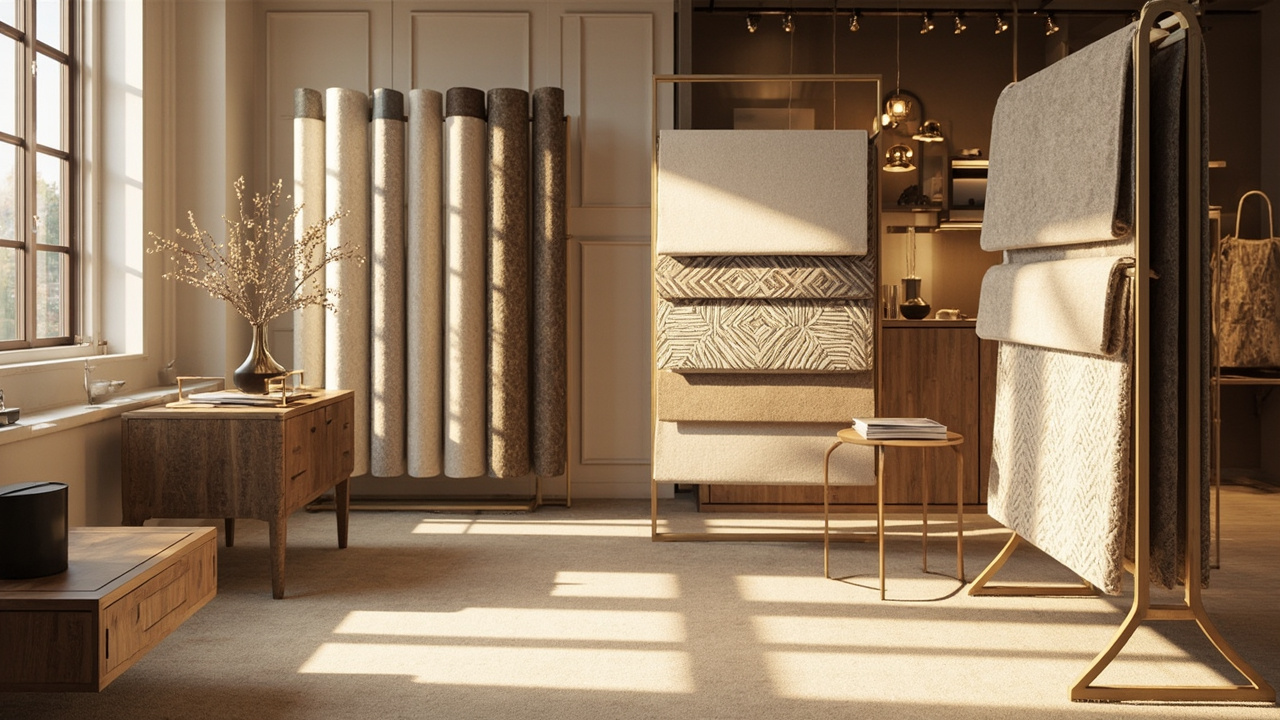
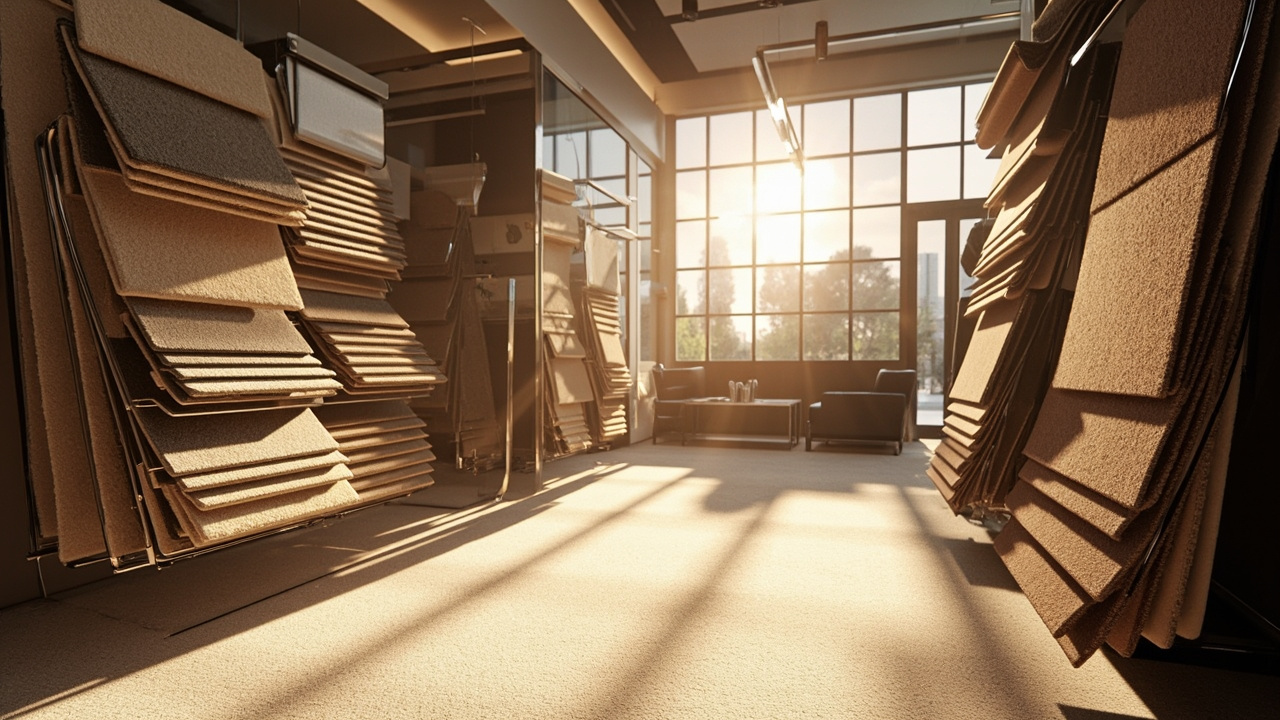
Related visual examples
A short visual sample connected to this answer or its topic.