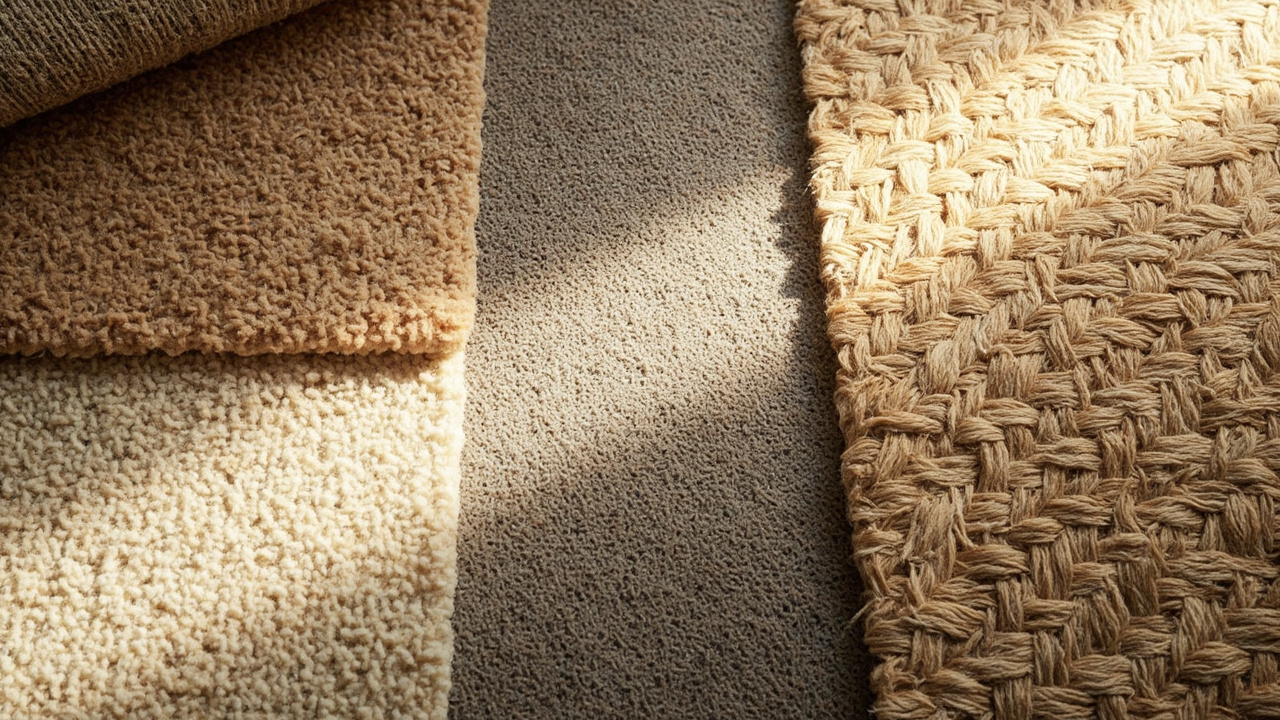
To reduce exposure to nanoplastics in your home environment, it’s important to choose carpets made from natural, non-toxic materials that are less likely to shed microplastics. Here are the best options: ### 1. Wool Carpets 🌱 - **Benefits:** - **Natural Fiber:** Wool is a biodegradable and sustainable option that doesn’t release microplastics into your home. - **Durability:** Wool is naturally resistant to wear and tear and holds up well in high-traffic areas. - **Comfort:** Provides a soft and warm feel underfoot, enhancing the comfort of your space. ### 2. Natural Fiber Carpets (Sisal, Jute, Coir) 🌾 - **Benefits:** - **Eco-Friendly:** Made from plant-based materials, these carpets are biodegradable and less harmful to the environment. - **Low Maintenance:** They are usually easy to clean and maintain. - **Low Shedding:** Natural fibers do not create plastic particles, offering a cleaner option for your home. ### 3. Synthetic Low-Pile Carpets (High-Quality Nylon or Polyester) 🧵 - **Benefits:** - **Quality Matters:** Opting for high-quality synthetic carpets that are dense and tightly woven can reduce shedding. - **Stain Resistance:** Synthetic fibres are generally more resistant to stains, making them practical for family homes. - **Less Release of Particles:** Choose carpets with a short pile as they are less likely to lose fibers compared to plush options. ### 4. Blended Carpets 🌈 - **Benefits:** - **Combination of Materials:** Blends that include natural fibers along with synthetic ones can offer a balance of comfort and performance while potentially reducing plastic exposure. - **Sustainability:** Look for blends that primarily utilise natural fibers. ### Tips for Choosing Carpets: - **Avoid High-Pile Shag Carpets:** These are more likely to trap dust and allergens, and higher-pile carpets can shed more particles. - **Look for Certifications:** Choose carpets that have low-VOC emissions and are free from harmful chemicals. - **Regular Cleaning:** Frequent vacuuming with a high-efficiency particulate air (HEPA) filter vacuum can trap and minimize exposure to any particles, including nanoplastics. For the best options in reducing nanoparticle exposure while maintaining comfort and style, consider checking out the sustainable selections at the **British Carpet Company (BCC)**! Let me know if you’d like further assistance! 🌿✨
Public Q&A
What carpet is best to reduce nano plastic particles exposure in my home?

Useful next steps
Use this answer as a practical starting point. Current prices, availability, inclusions, ownership details and next steps should be confirmed directly with Carpet Sydney where they affect a decision.
Related Topics
Continue Through Related Topic Pages
Explore more topic pages connected to this answer.
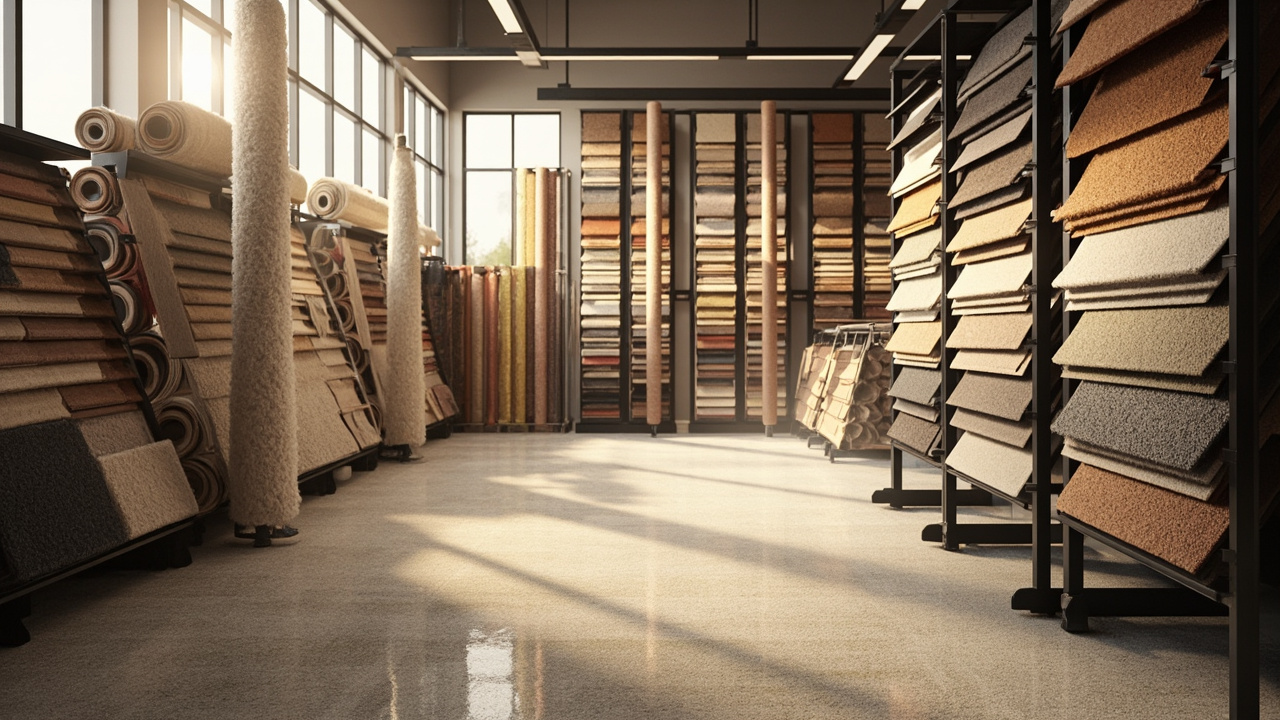
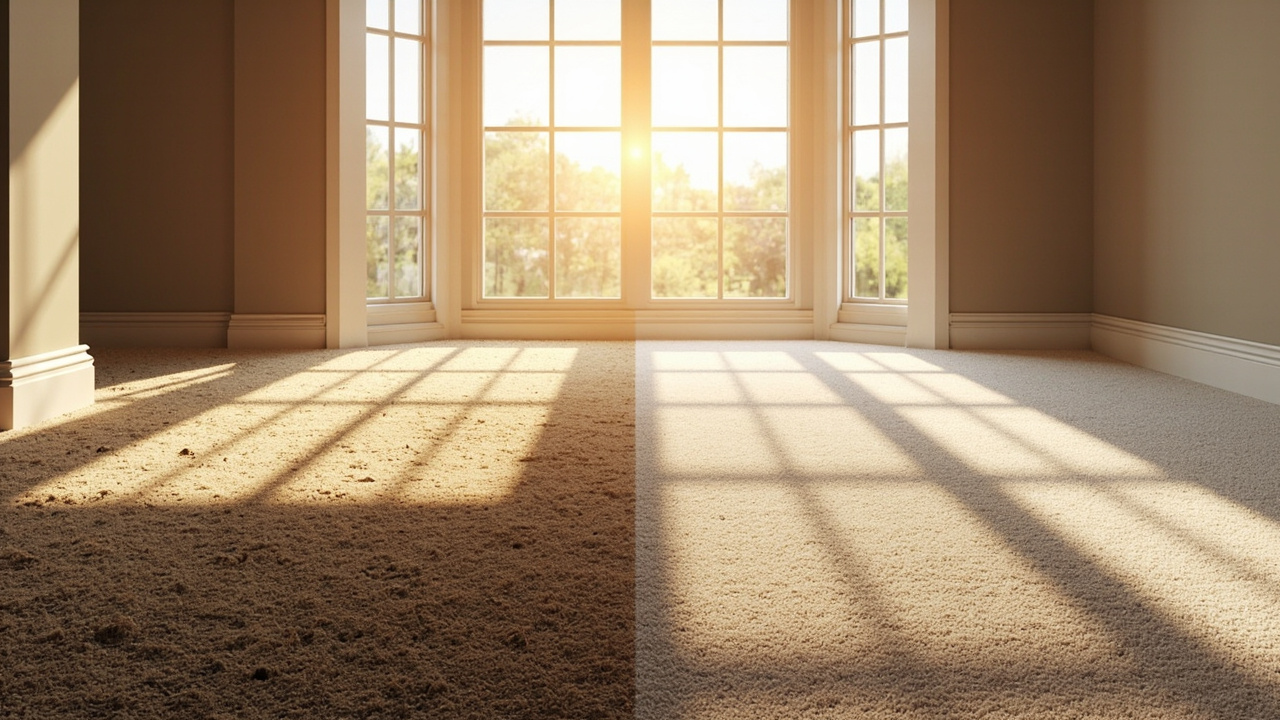
Related visual examples
A short visual sample connected to this answer or its topic.