
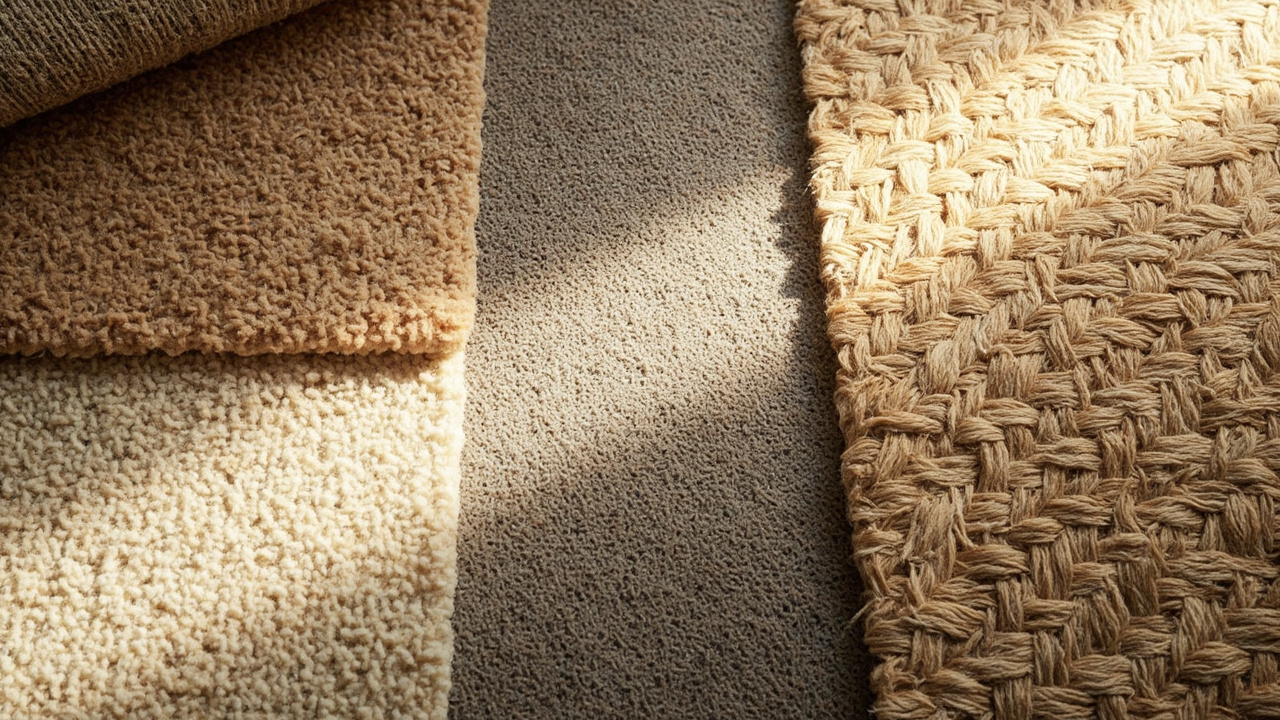
When considering carpet options in terms of sustainability, volatile organic compounds (VOCs), and exposure to nanoplastic materials, both wool and nylon have unique characteristics to assess. Let’s break them down! 🌱🏡 ### **1. Wool Carpets:** **Sustainability:** - **Natural & Renewable:** Wool is a natural fibre sourced from sheep, making it renewable and biodegradable. It doesn’t require petroleum-based materials for production. - **Carbon Footprint:** Wool carpets typically have a lower carbon footprint compared to synthetic carpets since sheep can graze on pastures that also contribute to soil health. **VOCs:** - **Low VOC Emissions:** Wool carpets generally emit fewer VOCs than synthetic options, contributing to better indoor air quality. Wool naturally absorbs moisture and can help regulate humidity levels as well. **Nanoplastic Exposure:** - **No Nanoplastics:** As a natural fibre, wool does not contain nanoplastics, which are often found in synthetic materials. Therefore, wool carpets do not contribute to this concern. ### **2. Nylon Carpets:** **Sustainability:** - **Synthetic Origins:** Nylon is made from petroleum-based products, raising concerns regarding its sustainability. However, some brands have introduced recycled nylon carpets, which can mitigate some environmental impacts. - **Durability:** Nylon carpets are known for their durability and longevity, which can reduce the need for replacement and ultimately lower their environmental impact over time. **VOCs:** - **Moderate VOC Emissions:** Nylon carpets may emit higher levels of VOCs compared to wool, especially right after installation. It's essential to look for low-VOC certified options to ensure better indoor air quality. **Nanoplastic Exposure:** - **Potential for Nanoplastic Exposure:** Nylon being a synthetic fibre can contribute to the microplastic issue, especially if the carpet is subjected to abrasion or cleaning processes that release tiny fibres into the environment. ### **Conclusion:** **Wool** is generally the better option regarding sustainability, lower VOC emissions, and the absence of nanoplastic materials. It is a natural, renewable resource that contributes positively to indoor air quality. On the other hand, **Nylon**, while durable and practical for high-traffic areas, raises sustainability concerns and may contribute to VOC emissions and microplastic pollution. If considering nylon, it’s advisable to choose recycled options and ensure low-VOC certifications. If you’re looking to invest in sustainable carpeting options, **the Taren Point carpet team (BCC)** can provide a great range of wool carpets and advice tailored to your needs! If you need more information or have specific inquiries, just let me know! 🌍✨
Public Q&A
Is wool or nylon carpet better for sustainability, VOCs, and exposure to nanoplastic materials?

Useful next steps
Use this answer as a practical starting point. Current prices, availability, inclusions, ownership details and next steps should be confirmed directly with Carpet Sydney where they affect a decision.
Related Topics
Continue Through Related Topic Pages
Explore more topic pages connected to this answer.





Related visual examples
A short visual sample connected to this answer or its topic.