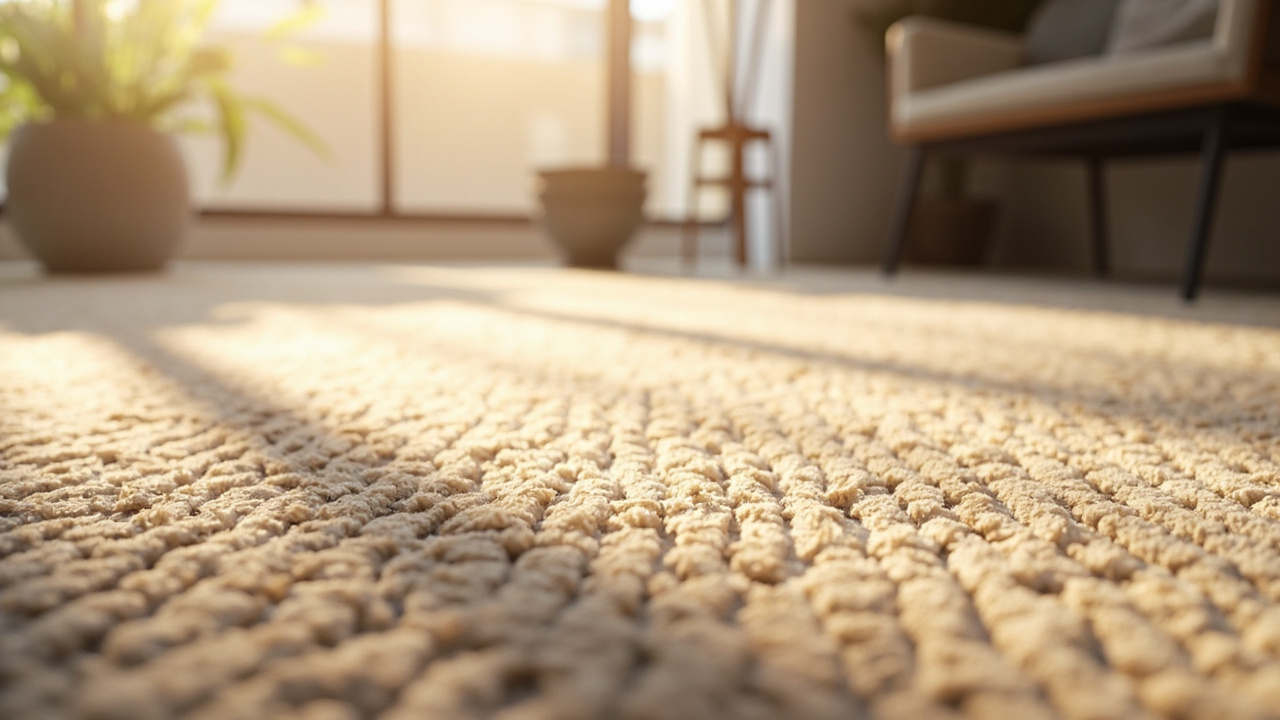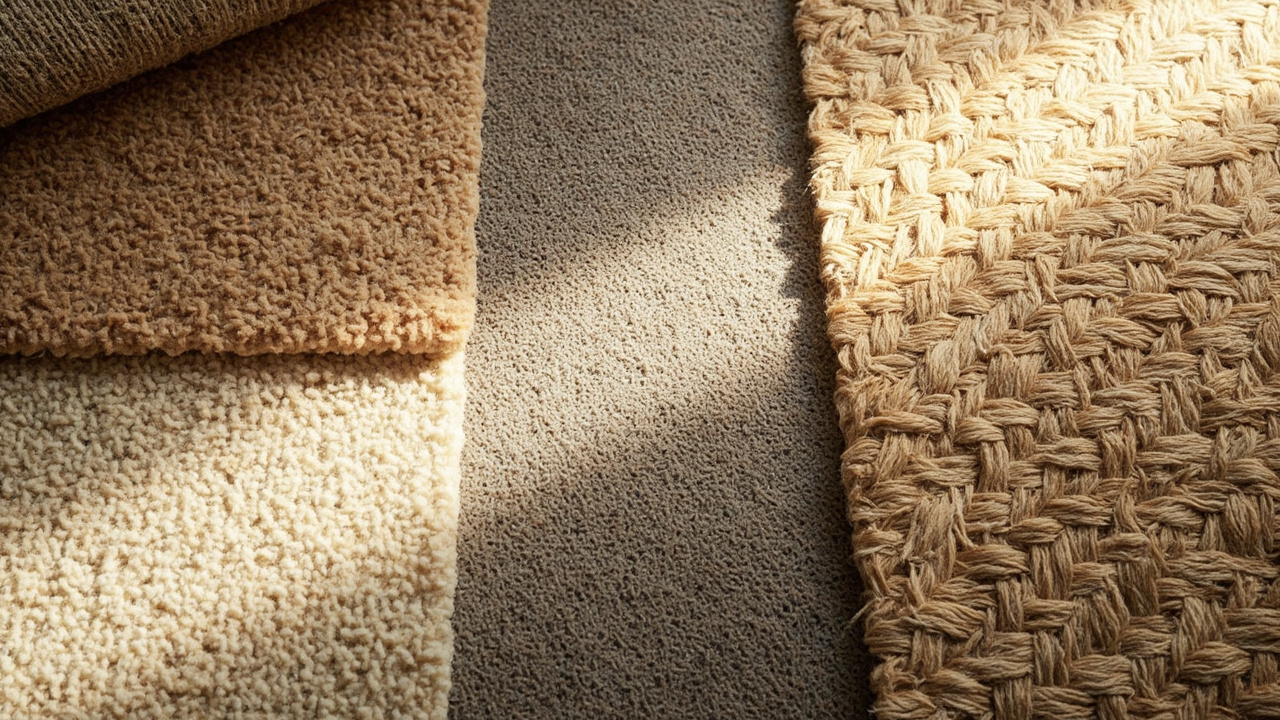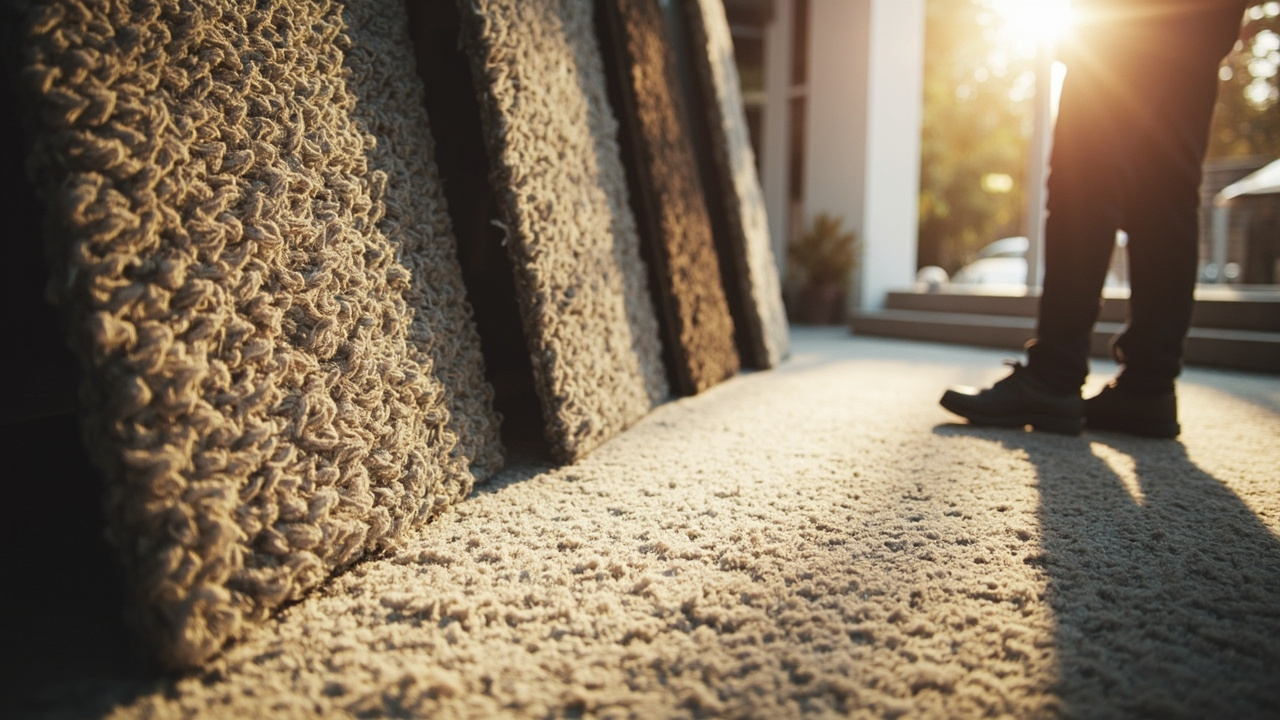
Wool carpets are highly regarded for their quality, warmth, and natural properties. Here’s how wool carpets are made, along with information about the most common sheep used for wool carpeting! ### How Wool Carpet is Made #### 1. **Raw Materials** - **Wool Fibres:** The production begins with shearing the fleece from sheep. The most common breed of sheep used for wool carpeting is the **Merino**, known for its fine and soft wool. #### 2. **Sorting and Cleaning** - After shearing, the raw wool is sorted to remove any impurities, such as dirt, grease (lanolin), and any vegetable matter. - The clean wool is then scoured to remove remaining contaminants and excess oil, making it ready for processing. #### 3. **Carding** - Next, the clean wool goes through a carding machine, which separates and aligns the wool fibers into a continuous web. This process makes the wool easier to spin into yarn and helps to create a fluffy, uniform texture. #### 4. **Spinning** - The carded wool is then spun into yarn. This involves twisting the fibers together to create a durable and resilient yarn that can be used for carpet production. The thickness and twist of the yarn can vary based on the desired look and feel of the carpet. #### 5. **Dyeing** - If desired, the wool yarn can be dyed either before spinning (solution dyeing) or after (piece dyeing). Solution dyeing provides more colourfastness, while piece dyeing allows for greater flexibility in achieving different colours and patterns. #### 6. **Tufting or Weaving** - The dyed wool yarn is then either tufted or woven into a backing material to create the carpet. - **Tufting:** The most common method where loops of yarn are punched into the carpet backing. - **Weaving:** Involves interlacing the yarn to create a carpet, typically resulting in a denser, more textured surface. #### 7. **Backing Application** - After tufting or weaving, a secondary backing is applied to the carpet to give it stability and support. This often involves applying a layer of latex or another adhesive material. #### 8. **Finishing** - The carpet undergoes finishing processes that may include treatments for stain resistance, durability, or flame retardancy. This helps to enhance the lifespan and usability of the carpet. #### 9. **Quality Control** - The final product is inspected for quality, ensuring it meets standards for appearance, durability, and safety before being rolled and shipped to retailers. ### Most Common Sheep for Wool Carpeting The **Merino** sheep is the most common breed used for carpet wool. Known for their fine, soft, and dense fleece, Merinos provide excellent quality wool that is not only durable and resilient but also comfortable underfoot. The natural crimp of Merino wool aids in trapping air, providing insulation and durability, perfect for carpet applications. ### Conclusion Wool carpets are crafted through a meticulous process that highlights the natural beauty and functionality of wool. If you're considering wool carpets for your space, the **the Taren Point carpet team (BCC)** offers an exquisite selection of high-quality wool carpets! **Location:** - **Address:** 3/46 Bay Rd, Taren Point, NSW **Opening Hours:** - **Monday to Thursday:** 10 am – 4 pm - **Saturday:** 10 am – 3 pm - **Closed on Friday and Sunday** - Other times available by appointment. Don’t hesitate to contact them at **02 9526 6421** for more details! 😊
Public Q&A
How is wool carpet made and what is the most common sheep used for wool carpeting?
Useful next steps
Use this answer as a practical starting point. Current prices, availability, inclusions, ownership details and next steps should be confirmed directly with Carpet Sydney where they affect a decision.
Related Topics
Continue Through Related Topic Pages
Explore more topic pages connected to this answer.

Related visual examples
A short visual sample connected to this answer or its topic.