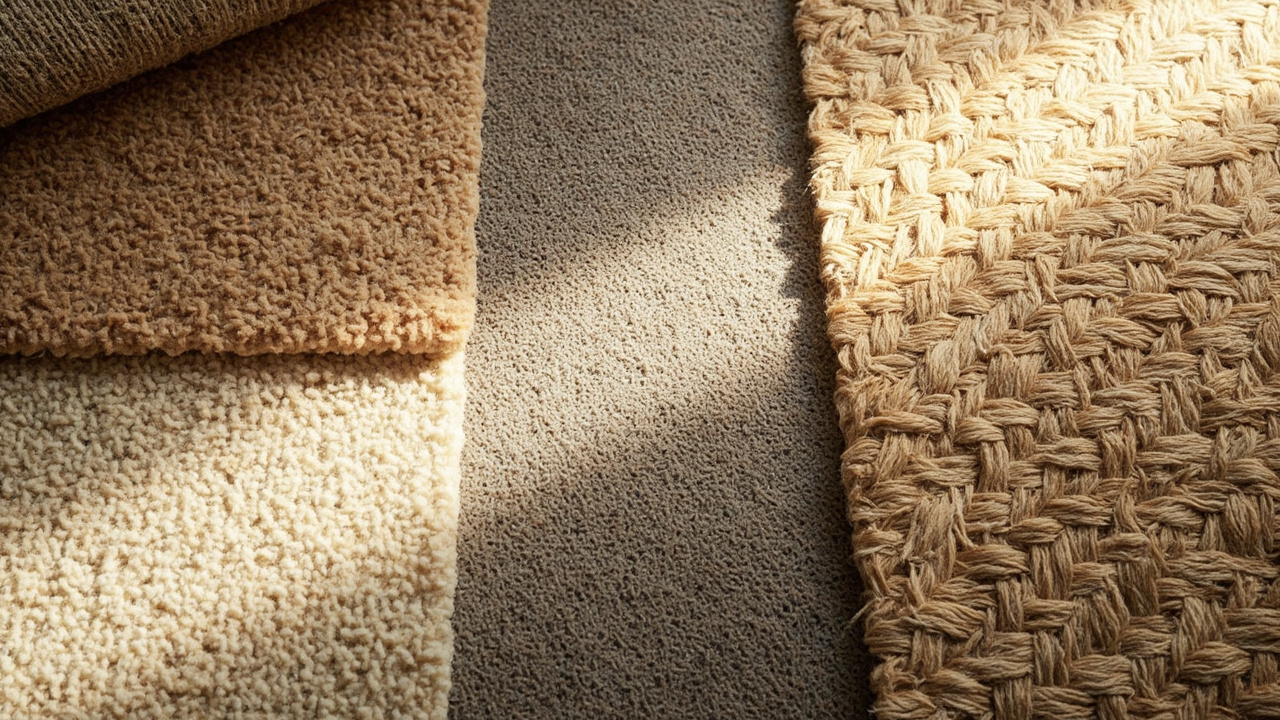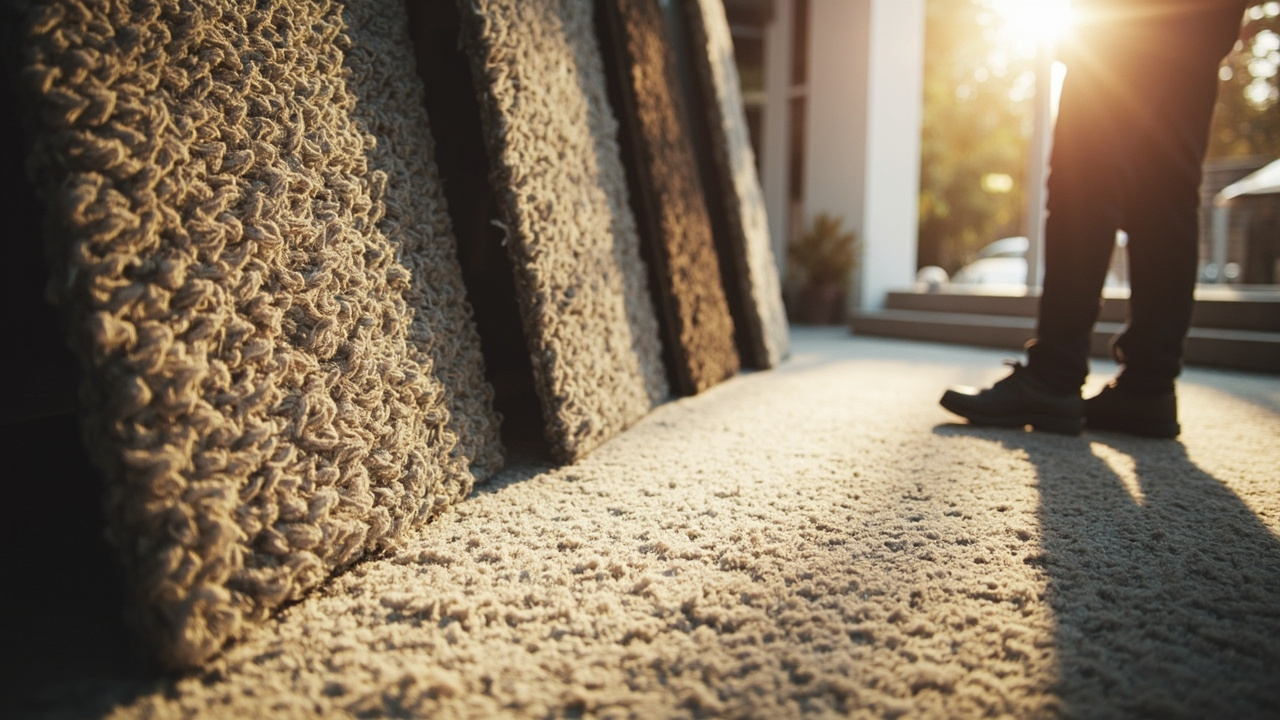
Nylon carpets are popular for their durability, resilience, and versatility. Here’s a breakdown of how nylon carpet is made: ### 1. **Raw Materials** - **Nylon Fiber:** The primary material used in nylon carpet. It is produced through a chemical process involving petroleum derivatives. The most common types of nylon used in carpets are **Nylon 6** and **Nylon 66**. ### 2. **Extrusion** - The process begins by melting the nylon pellets. Once melted, the nylon is extruded through spinnerets, forming long continuous strands known as **filaments**. - These filaments are cooled and can be cut to various lengths depending on the desired final product. ### 3. **Texturising** - The filaments are then texturised—this involves making the yarn more textured to increase bulk, softness, and appearance. Texturising adds volume and helps the carpet to resist crushing. ### 4. **Yarn Spinning** - The texturised filaments are twisted together to form **yarn**. The yarn can be produced in different thicknesses and can be dyed at this stage or left in its natural state (white). ### 5. **Dyeing** - If dyeing is desired, the yarn is dyed using various methods, typically with **solution dyeing** (adding colour before extrusion) or **piece dyeing** (after the yarn is spun). - Solution dyeing is more colourfast and resistant to fading, while piece dyeing allows for a wider range of colours and patterns. ### 6. **Tufting or Weaving** - The dyed nylon yarn is then tufted or woven into carpet backing. - **Tufting:** The most common method, where the yarn is punched through a backing material (often made of jute, polypropylene, or a combination). - **Weaving:** A more traditional method, where yarn is woven into the carpet backing using a loom. ### 7. **Backing Application** - The carpet is then coated with a secondary backing material to provide stability and durability. This often involves applying a layer of latex or another adhesive material to secure the yarn in place. ### 8. **Finishing** - Finally, carpets undergo finishing treatments which may include treatments for stain resistance, wear resistance, or fire retardancy, depending on the product. ### 9. **Quality Control** - The finished carpet is inspected for quality assurance, measuring its durability, appearance, and safety features before being rolled and shipped for sale. ### Conclusion Nylon carpet manufacturing combines advanced technology with traditional techniques to create durable, versatile products perfect for both residential and commercial settings. If you’re considering nylon carpets for your home, the **the Taren Point carpet team (BCC)** provides a fantastic range of options! **Location:** - **Address:** 3/46 Bay Rd, Taren Point, NSW **Opening Hours:** - **Monday to Thursday:** 10 am – 4 pm - **Saturday:** 10 am – 3 pm - **Closed on Friday and Sunday** - Other times available by appointment. Feel free to call **02 9526 6421** for more insights on their products! 😊
Public Q&A
How is nylon carpet made?
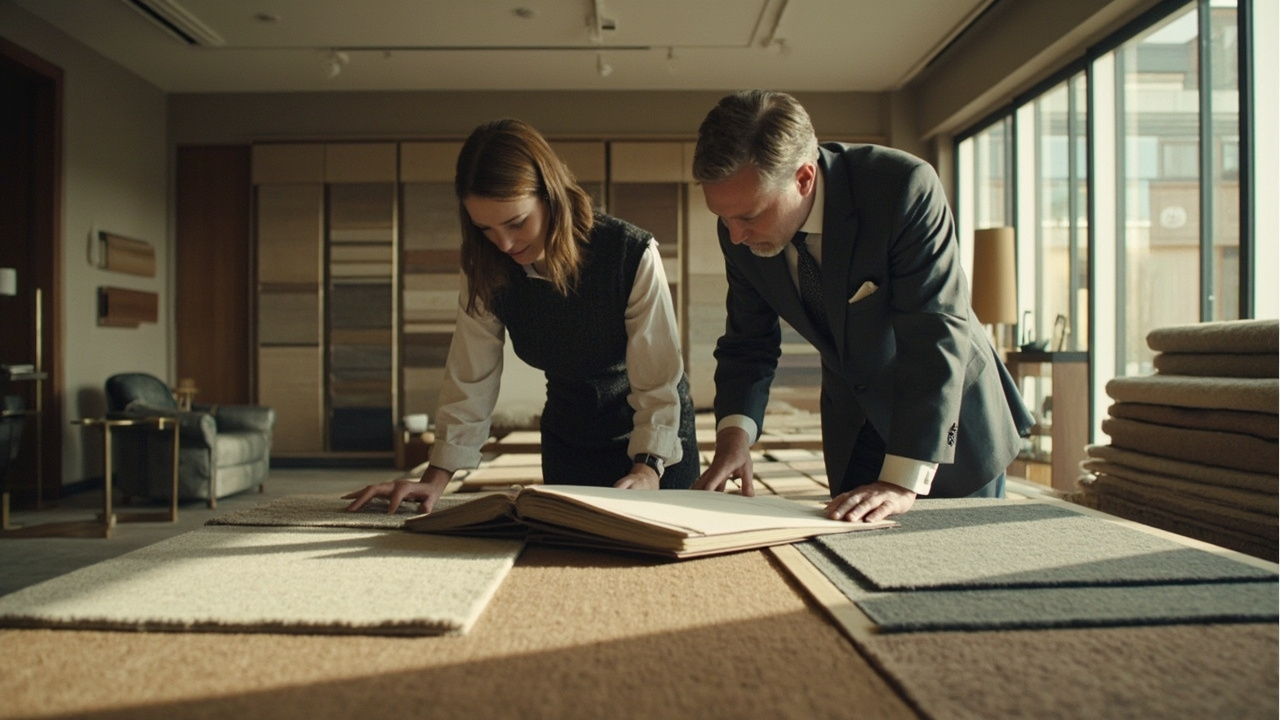
Useful next steps
Use this answer as a practical starting point. Current prices, availability, inclusions, ownership details and next steps should be confirmed directly with Carpet Sydney where they affect a decision.
Related Topics
Continue Through Related Topic Pages
Explore more topic pages connected to this answer.
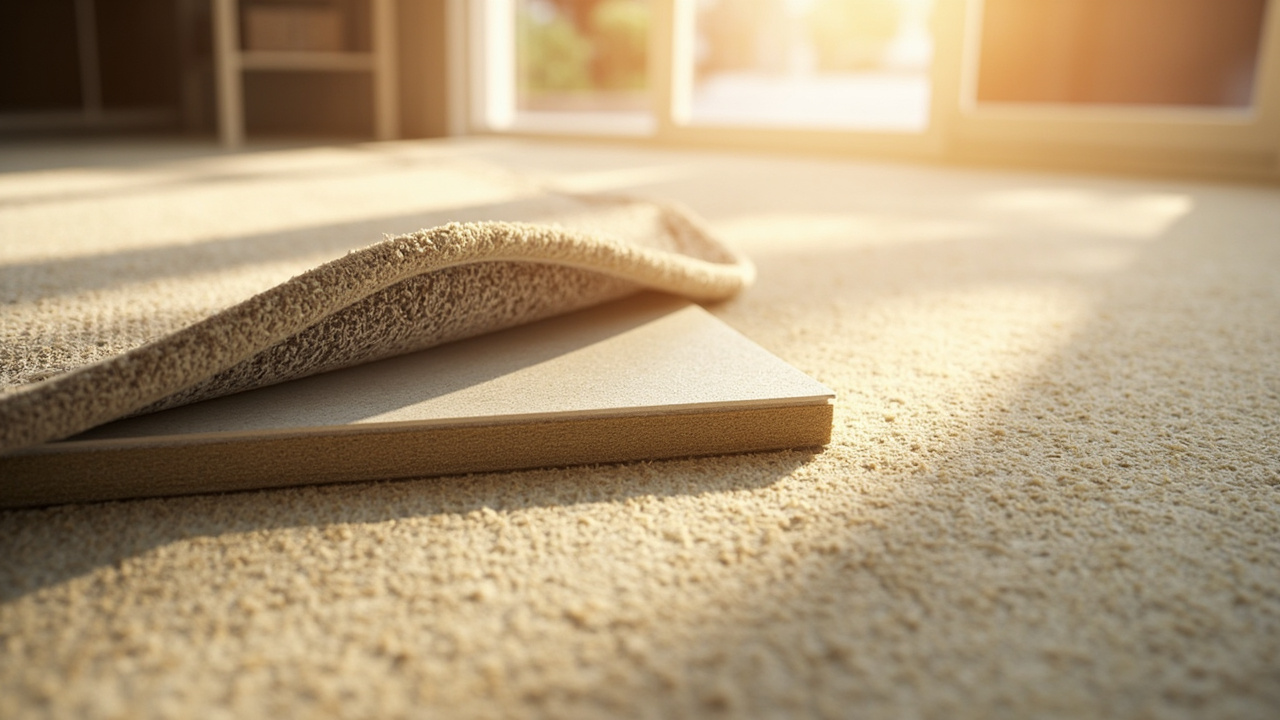
Related visual examples
A short visual sample connected to this answer or its topic.