
Drying your carpet after water exposure can be crucial to prevent mold and damage! Here’s a step-by-step guide to help you out: 1. Act Quickly: The sooner you can dry the carpet, the better. Start as soon as you notice the water. Remove Water: - Suction: Use a wet/dry vacuum to remove as much water as possible. If you don’t have one, you could use towels to blot the area—make sure to press down firmly to absorb more moisture. - Flat Towels: Lay flat towels over the wet area and walk on them to soak up the excess water. Increase Airflow: - Fans: Set up fans in the room to help circulate air and speed up the drying process. Position them to blow directly onto the wet area. - Dehumidifier: If available, use a dehumidifier to pull moisture from the air, which can help dry the carpet faster. 4. Open Windows: If the weather permits, open windows and doors for fresh air. This can also help with air circulation while reducing humidity. 5. Raise the Carpet (if possible): If the carpet is still damp after suctioning it, lift the carpet and check the padding underneath. Use fans to dry not only the carpet fibers but also the padding. 6. Check for Mold: Keep an eye on the area for any musty smells or visible mold growth over the next few days. If you notice any, you may need professional cleaning. 7. Professional Help: If the water was extensive or if you’re unsure, consider contacting a professional cleaning service, especially if it’s a significant amount of water. Tip: Ensure the room is warm and dry to enhance the drying process! If you need further assistance, feel free to ask! 🌬️💧
Public Q&A
How do I dry my carpet after water got on it?

Useful next steps
Use this answer as a practical starting point. Current prices, availability, inclusions, ownership details and next steps should be confirmed directly with Carpet Sydney where they affect a decision.
Related Topics
Continue Through Related Topic Pages
Explore more topic pages connected to this answer.





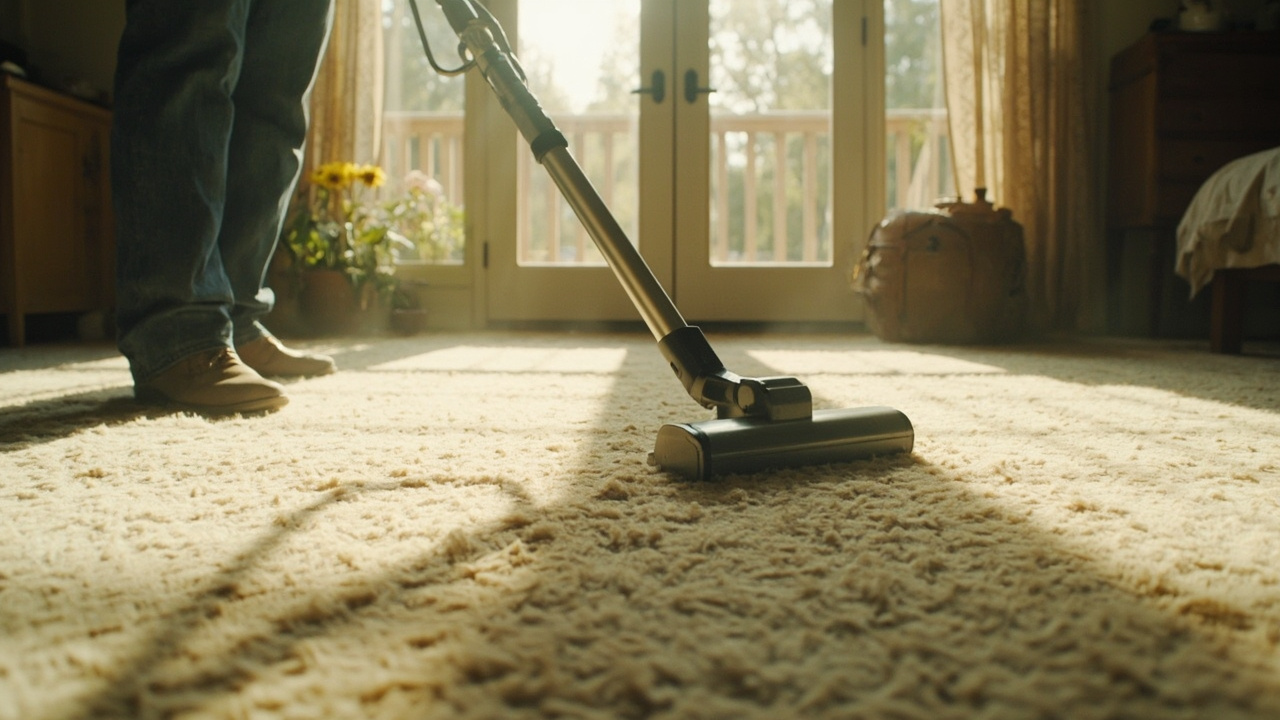
Related visual examples
A short visual sample connected to this answer or its topic.